
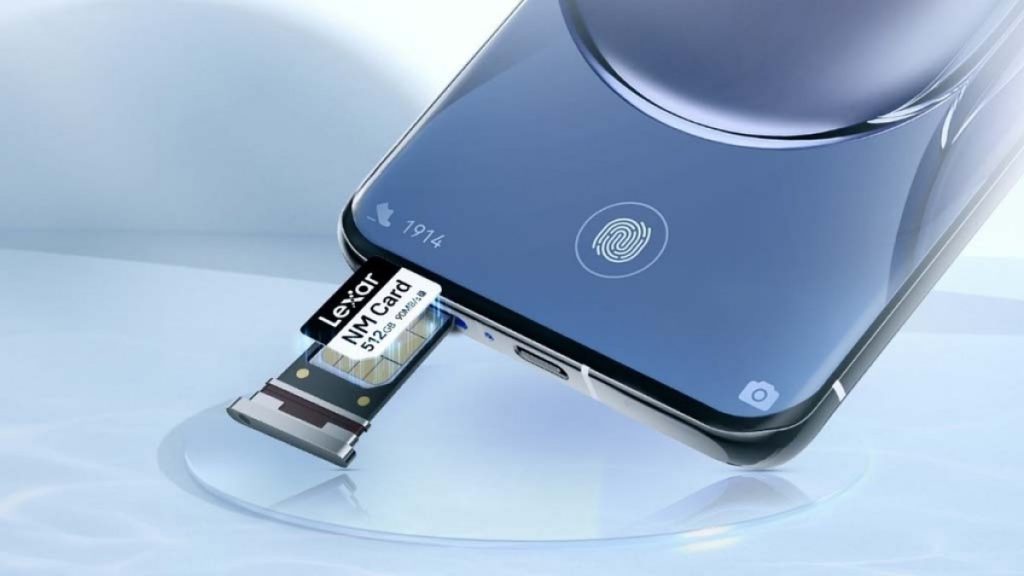
In October 2018, Huawei introduced its proprietary NM card format, which has been a staple in the brand’s devices for the past five years. Although this memory card format failed to gain traction beyond Huawei’s ecosystem, the recent resurgence in Huawei sales has sparked interest from other companies. Lexar, a renowned name in the world of digital storage, has joined the NM card bandwagon by launching a brand-new 512 GB NM card for Huawei phones.
Understanding the NM Card
The NM card, or Nano Memory card, sets itself apart by being one-third smaller than the traditional micro SD card, conveniently fitting into the nano-SIM slot of Huawei devices. However, the road to widespread adoption of this format has been marked by complex design and technical challenges that tend to increase manufacturing costs. Additionally, smartphone manufacturers often prefer to keep users within their respective ecosystems, steering them towards in-house cloud storage solutions like Google Drive, Apple iCloud, Samsung Cloud, Mi Cloud, and more.
Lexar’s Foray into NM Cards
Lexar’s recent launch of the 512 GB NM card for Huawei phones is significant. While the 512 GB NM card is not yet available for purchase online, it is expected to come with a price tag exceeding $100, €100, or £100. This is in line with the current pricing of the 256 GB NM card, which falls within the range of $50 to $80 at various retail outlets, including Vmall, Amazon, and select offline stores.
Performance Expectations
The new Lexar NM card supports the eMMC 5.1 protocol and boasts a reading speed of 90 MB/s and a writing speed of up to 85 MB/s. While these speeds may not match the blazing-fast performance of contemporary built-in storage options, they are more than adequate for tasks like shooting 4K videos on a Huawei smartphone.
In conclusion, Lexar’s entry into the NM card market signifies growing interest in Huawei’s proprietary storage format, fueled by the brand’s resurging popularity. With the introduction of the 512 GB NM card, Huawei users can look forward to expanding their device’s storage capacity, although at a premium price point. This development could open doors for further innovation and competition in the memory card industry, benefiting consumers in the long run.